Borges Timeline
- At July 25, 2018
- By Great Quail
- In Borges
 0
0
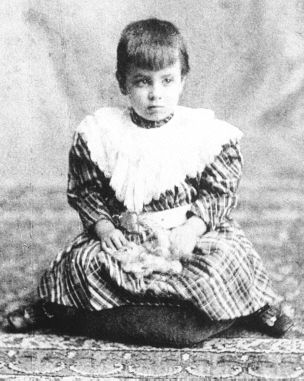
If I were asked to name the chief event in my life, I should say my father’s library.
—Autobiographical Essay 1970
Borges Timeline
1899
Jorge Luis Borges is born in Buenos Aires on August 24.
1899–1914
Borges is educated at home in Palermo by his parents and English grandmother.
1914–1921
The Borges family travels around Europe, evading the war. Most of their time is spent in Geneva, where Borges attends school from 1914–1919, moving to Spain for the next year and a half.
1921
Family returns to Argentina.
1923
Publishes Fervor de Buenos Aires, his first book of poems.
1925
Publishes Luna de Enfrente, his second book of poems.
1929
Publishes Cauderno San Martín, his third book of poems.
1930
Publishes the book Evaristo Carriego.
1932
Publishes Discusión, the earliest of his essay collections to survive.
1933–1934
Publishes A Universal History of Infamy.
1936
Publishes A History of Eternity, a collection of essays.
1937
Becomes First Assistant in the Miguel Cané branch of the Municipal Library, a position he would hold for nine years.
1938
Death of his father, Jorge Guillermo Borges. On Christmas Eve, he injures his head and falls ill.
1939
Struggles with septicemia for one month. Writes “Pierre Menard, Author of Don Quixote,” generally considered his first mature story.
1942
Publishes The Garden of Forking Paths, a collection of short stories.
1942
Publishes Six Problems for Don Isidro Parodi, co-written with Adolfo Bioy-Casares under the joint pen-name of “Bustos Domecq.”
1944
Publishes Artifices, a second collection of stories. This is bundled with The Garden of Forking Paths and retitled Ficciones.
1946
Publishes Two Memorable Fantasies, co-written with Adolfo Bioy-Casares under the joint pen-name of “Bustos Domecq.” Forced from his position at the library when Perón gains power. Starts teaching English and American literature.
1949
Publishes The Aleph, his second major collection of stories.
1950
Elected President of the Sociedad Argentina de Escritores.
1952
Publishes Other Inquisitions, his principal collection of essays.
1955
Appointed Director of the National Library after Perón falls.
1956
Named to the professorship of English and American Literature at the University of Buenos Aires, a position he would hold for twelve years.
1960
Publishes El hacedor or “The Maker,” which was retitled in English as Dreamtigers.
1961
Shares the Formentor Prix International with Samuel Beckett, bringing him international recognition. Invited to the University of Texas as Visiting Professor.
1964
Publishes El Otro, el mismo, his forth book of poems.
1967
Marries Elsa Astete Millán. Publishes The Chronicles of Bustos Domecq, co-written with Adolfo Bioy-Casares under the joint pen-name of “Bustos Domecq.”
1969
Publishes Elogio de la sombra, his fifth book of poems. Publishes The Book of Imaginary Beings, co-written with Margarita Guerrero.
1970
Publishes Dr. Brodie’s Report, his third collection of stories. Divorces Elsa Astete Millán.
1971
Receives an honorary degree from Oxford.
1972
Publishes El oro de los tigres, his sixth book of poems.
1973
Resigns as Director of the National Library when Perón returns to power.
1975
Publishes The Book of Sand, his forth collection of stories. Death of his mother, Leonor Acevedo. Publishes La rosa profunda, his seventh book of poems.
1977
Publishes Historia de la noche, his eighth book of poems.
1983
Awarded the Légion d’Honneur.
1984
Publishes Atlas with María Kodama.
1985
Publishes Los conjurados, his ninth book of poetry and prose.
1986
Marries María Kodama. Dies in Geneva at age 86.
[Return to the Garden of Forking Paths] [Borges Biography]
Author: Allen Ruch
Last Modified: 24 July 2019
Email: quail (at) shipwrecklibrary (dot) com